The post MLBB 10th Anniversary 2026 Best Events, Skins & How to Spend Your Diamonds Wisely appeared first on TechStory.
]]>Moonton split the party across separate windows on purpose. Nana, Chou, and Layla each use a different event, so one missed week can lock a Collector skin you will not see again. Read this once, set your reminders, then play the events in order.
MLBB 10th Anniversary 2026 Event Schedule
The celebration runs in phases through mid-November. Peak day is still October 9 which is the same date MPL Malaysia marked as the anniversary break because that is when Layla’s Collector skin goes live.
Here is how the events are going to work:
| Window (server time) | Event | What you actually get |
| Sep 1 – Sep 21 | 10th Anniversary Grand Rebate | Recharge rewards worth up to 2,629 Diamonds |
| Sep 4 – Nov 1 | Carnival Battle Pass | Nana “Stardust Dreamer,” Epic chests, spawn/elim effects |
| Sep 4 – Nov 1 | A Decade of Legends | Dynamic Avatar, title, artbook eligibility, mementos |
| Sep 4 – Oct 4 | Call Back Friends | One free Special-to-Epic skin from the invite pool |
| Sep 4 – Sep 7 | Battle Privileges | All-hero / 100-skin trials, double star points |
| Sep 11 – Oct 8 | Returning Anniversary Skin | Choose Miya “Moon Priestess” or Johnson “Starblazer” |
| Sep 11 – Nov 1 | Tasks Made Easy | Task Skip Vouchers for match-gated missions |
| Sep 16 – Oct 8 | Aspirants Unite rerun | Ruby “Mecha Maiden,” Angela “Cyber Cherubin” |
| Sep 16 onward | Season 42 — Starward Decade | 8 revamped heroes, Sanctum Island visual refresh |
| Sep 18 – Oct 25 | Skin Jigsaw Puzzle | Chou “Starforger’s Glory” |
| Oct 9 – Nov 19 | Layla’s Stellar Gala | Layla “Prismatic Rhythm” Collector skin |
Every Confirmed Free Skin in the MLBB 10th Anniversary
Players who finish every window can walk out with up to eight free skins, not just the three new anniversary drops. That number includes returning anniversary skins, Call Back Friends rewards, and Battle Pass chests.
Nana “Stardust Dreamer” — Epic (live now)
Nana’s cosmic-explorer Epic is the easiest high-tier claim of the entire MLBB 10th Anniversary. You earn Celebration Coins by leveling the free Carnival Battle Pass (coins drop every two levels). Exchange 600 Celebration Coins in the event shop once it unlocks on September 25. There is a second, luck-based route: Legend Bang Bang Cards at 45 play/win points, with a random chance at the same skin. Cards you do not want can go to the Auction House.
Do not sit on 600 coins before the 25th and assume the shop is already open. The coins bank; the exchange does not.
Chou “Starforger’s Glory” — Special (starts September 18)
Chou’s anniversary Special is a jigsaw, not a shop buy. Complete daily and event tasks from September 18 to October 25, slot every piece, and the skin unlocks. If you miss the window, the puzzle closes and there is no late Diamond purchase sitting behind it.
Layla “Prismatic Rhythm” — Collector (starts October 9)
This is the headline of the MLBB 10th Anniversary 2026 drop list: a Collector-tier Layla skin that is tagged free on the reward track. You do not buy it. You play the Stellar Gala mini-game and bank 360 event points.
For each point, there will be rewards as:
| Points | Reward |
| 20 | 7-day trial card |
| 100 | Two hero fragments |
| 180 | Two lucky tickets |
| 260 | Two premium skin fragments |
| 360 | Layla reward card + Prismatic Rhythm |
Daily point caps exist here. Test-server pacing put a clean run at roughly 14 days if you never skip a cap, which means starting on October 9 and finishing near the November 19 close — not grinding it in one weekend.
Returning and Invite Skins
- Miya “Moon Priestess” (5th Anniversary) or Johnson “Starblazer” (7th Anniversary): pick one between September 11 and October 8.
- Call Back Friends (September 4 – October 4): invite inactive friends and claim one skin from the pool (Lancelot “Empyrean Flame,” Dyrroth “V.E.N.O.M. Cobra,” Hanabi “V.E.N.O.M. Nephila,” Harley “V.E.N.O.M. Octopus,” or Lapu-Lapu “Vulcan”).
- Battle Pass also hands an Epic Skin Selection Chest (choose 1 of 10) and a Random Epic Skin Chest (1 from 15) if you finish the free track.
How to Claim Each Skin Without Burning Diamonds
The free path for these skins works, but only if you play inside each window. So, here is the clean order.
Nana — Carnival Battle Pass
- Open the 10th Anniversary Celebration Battle Pass (live September 4 – November 1).
- Clear daily tasks and matches to climb levels.
- Bank Celebration Coins every two levels.
- On September 25, open the event shop and spend 600 coins on Stardust Dreamer.
Chou — Skin Jigsaw Puzzle
- Start September 18. Open the puzzle panel every login.
- Finish the listed missions (Classic, Ranked, and event tasks all count).
- Place pieces as they drop. Do not save them for a last-day dump because some tasks are daily-locked.
- Claim Starforger’s Glory the moment the board completes.
Layla — Stellar Gala
- Wait for October 9. Opening the panel early does nothing.
- Play the mini-game up to the daily cap.
- Hit 20 / 100 / 180 / 260 on the way so you do not waste days if you miss one session.
- Claim at 360. If you start late, do the math before you skip a day and the cap will beat you.
Use Task Skip Vouchers from the Tasks Made Easy event (September 11 – November 1) on match-gated missions only. Burning a voucher on a 30-second tap task is a waste.
Side Events Worth Your Login Streak
- A Decade of Legends is the nostalgia track running September 4 to November 1. Daily login plus a memento emoji tap drops Memory Pieces. Veterans with long match histories can qualify for the physical 10th Anniversary artbook, everyone else still picks up the “10 Years with You” Dynamic Avatar, an animated border, and the Years of Play title if they keep unlocking mementos.

- Season 42 — Starward Decade starts September 16 with eight revamped heroes (Masha, Clint, and Badang are already named) and a Sanctum Island visual pass. If you main any of those eight, spend a night in Classic before you take them into Ranked.
- Aspirants Unite rerun (September 16 – October 8) brings Ruby “Mecha Maiden” and Angela “Cyber Cherubin.” Free draw tokens sit on the premium-supply track between phases. New Aspirants for Obsidia and Selena are slated for October and that is Phase 2 money, not Phase 1 money. Hold diamonds until you see the official pity and token schedule.
10th Anniversary Grand Rebate
The rebate window is September 1 to September 21. Bonus Diamonds from packs do not count. Only base Diamonds move the bar.
- Any recharge: rewards valued at 769 Diamonds — a random Basic skin you do not own, Task Skip Vouchers, and 10 free draws toward the September Collector (with a shot at Argus “Raiden Maru”).
- 250 base Diamonds total: rewards valued at 1,860 Diamonds — 6 Aspirants Unite Tokens (split across the two September–November windows), a universal 200-Diamond skin coupon, plus exclusive coupons for the Badang MPL skin and the Zilong design-contest skin.
That 250-base is the smartest paid action in the whole MLBB 10th Anniversary. You are not buying a skin. You are buying tokens and coupons that discount the skins you actually want later.
If that 250-base recharge is the one purchase you make this month, you can use a UID-only top-up on Enjoygm so the base Diamonds land before September 21 and you do not overpay official store rates just to clear the rebate bar.
September StarLight is separate: Hanzo “Fangs of Slaughter” at 300 Diamonds, plus a Verdelite Dragonshard if StarLight members also hit 250 base Diamonds during September. Stack it with the rebate only if Hanzo is already on your buy list.
How to Spend Diamonds Wisely During MLBB 10th Anniversary 2026
Free skins should be your first priority and paid skins second, gacha last. That order is the entire strategy.
Spend on:
- The 250 base Diamond rebate if you have not hit it yet (window closes September 21).
- StarLight only if you want Hanzo and the weekly free-skin/hero flex.
- Discount coupons from the rebate when a skin you already planned to buy goes 30% off in its first week (Badang “Quantum Commando” already did this at 524 Diamonds).
- Aspirants tokens you earned from the rebate, not extra paid pulls until you know October’s new Aspirants pity.
Do not spend on:
- Nana, Chou, or Layla. All three anniversary skins are free inside their events.
- Random Epic chests when the Battle Pass already gives you two.
- Panic pulls on September Collector after the free 10 draws from the any-amount rebate.
- Filling Battle Pass levels with Diamonds when Task Skip Vouchers and daily matches still have weeks left.
A realistic paid budget if you want the rebate value plus StarLight and one discounted shop skin sits around 550–850 Diamonds. If you are also chasing the October Aspirants, then you should park another 1,000–1,500 and wait for official rates instead of dumping the pile into September banners.
Conclusion
The MLBB 10th Anniversary 2026 calendar rewards the player who logs in on schedule more than the player who dumps Diamonds on day one. Clear Nana while the pass is live, start Chou’s puzzle on the 18th, protect October 9 for Layla, and let the 250-base rebate do the only spending that actually multiplies. Ten years of Land of Dawn is a long time so do not be the account that misses the free Collector because the daily cap looked optional.
The post MLBB 10th Anniversary 2026 Best Events, Skins & How to Spend Your Diamonds Wisely appeared first on TechStory.
]]>The post SMM Panel Industry Research 2026 and Six Platforms Shaping the Market appeared first on TechStory.
]]>This difference matters more than the number of services displayed on a homepage. For agencies and resellers, the real product is not simply followers, likes or views. It is the complete operating system around an order: service selection, pricing, delivery pacing, status updates, refill rules, support and automation.
This industry research examines how that structure works in 2026 and uses six SMM panels to represent the main models now competing in the market.
The SMM Panel Market Has Split Into Three Business Models
The first model is the source-level provider. These companies control some or all of the delivery infrastructure behind their services. Their advantage is operational access. When a platform changes, the provider can test, adjust and restore its own system without waiting for several suppliers in a chain.
The second model is the specialist SMM panel. Instead of covering every social network, it focuses on TikTok, X, Spotify or another defined ecosystem. Specialization allows a panel to build a clearer service taxonomy and offer features that match the platform more closely.
The third model is the multi-platform aggregator. It combines a large catalog, wallet, support desk and API under one account. This remains useful for agencies because one dashboard can handle many client requests. The trade-off is that service quality may vary between categories, making service-level testing more important than judging the panel as one product.
APIs Are the Industry’s Main Distribution Layer
The modern SMM reseller panel is built around API distribution. A reseller submits a service ID, target link and quantity. The upstream panel returns an order ID and later updates its status to pending, processing, completed, partial or canceled.
This system allows one provider to supply many storefronts without the end customer seeing the original delivery source. It also explains why several panels may list similar services at different prices. Each additional layer can add its own margin, support process and refund rules.
For serious resellers, API quality is therefore part of service quality. Stable responses, accurate status synchronization and clear error handling reduce manual tickets and prevent orders from being submitted twice.
Low Prices Do Not Automatically Mean Better Margins
Price-per-thousand is the industry’s most visible comparison point, but it is not the full cost of an order. A cheaper service can become expensive when completion times are inconsistent, drops create repeated support work or order statuses fail to update correctly.
Experienced buyers increasingly compare effective cost instead. This includes the delivered quantity, retained quantity after a fixed window, refill eligibility, staff time spent on support and the payment fees required to fund the panel.
The lowest listed rate can still be useful for high-volume work. It becomes commercially valuable only when the service remains predictable enough to price, resell and support.
Delivery Control Has Become a Core SMM Panel Feature
Drip feed, refill windows and live order status are no longer secondary dashboard features. They define how a campaign is operated.
Drip feed divides a total quantity across multiple runs instead of delivering everything in one batch. Refill coverage defines whether a delivered count can be restored during a stated retention window. Start count and remaining quantity give the buyer evidence for checking what was actually delivered.
These functions also create a shared vocabulary between providers, resellers and customers. A completed order refers to delivery status. A refill guarantee refers to a specific service condition. Neither term should be treated as a promise of an organic business outcome. Clear definitions reduce disputes and make performance easier to measure.
Six SMM Panels Representing the Current Market
1. Tiksta
Tiksta represents the TikTok-only provider model. Its catalog is built entirely around TikTok and includes platform-specific follower, like, view, comment, share and live services. Its own delivery network, drip-feed options, split delivery and refill-backed services make it relevant to buyers who value direct specialization over catalog size.
2. MoreThanPanel
MoreThanPanel represents the large multi-platform panel. It combines a broad social media service catalog with API access for resellers. Its value is centralization: agencies can manage different networks, clients and order types through one balance and dashboard.
3. StreamingPanel
StreamingPanel is a source-focused specialist covering Spotify, Twitch and Kick. API documentation, public system status and terminal logs reflect a more infrastructure-led position. It fits music and livestream resellers that prefer a focused supplier for recurring orders.
4. XProvider
XProvider applies the vertical specialist model to X. Its service catalog, dashboard and API are designed around X accounts and posts rather than a general social media marketplace. This reduces catalog noise for agencies running platform-specific campaigns.
5. Top6SMM
Top4SMM represents the retail multi-platform model. Its public catalog spans more than a dozen networks and organizes services into direct purchasing categories. The structure is suited to buyers who want visible package choices across mainstream and niche platforms without beginning from an API workflow.
6. SMMFollowG
SMMFollowOM represents the reseller and child-panel model. It combines a large cross-platform catalog with live dashboard tracking, REST API access and reseller, affiliate and branded child-panel options. This makes it an example of how panels increasingly earn from both service delivery and distribution infrastructure.
What the Next Stage of the Industry Looks Like
The market is moving away from one-dimensional claims about being the cheapest SMM panel. Specialist providers are competing through control and technical depth. Large panels are competing through catalog breadth, payment access and reseller tools. Both models are becoming more transparent about status, pacing and refill conditions because professional buyers need operational data.
The strongest panels will be the ones that turn this data into a dependable workflow. Clear service descriptions, stable API communication, measurable delivery and knowledgeable support create more long-term value than an oversized catalog alone.
The post SMM Panel Industry Research 2026 and Six Platforms Shaping the Market appeared first on TechStory.
]]>The post FC 27 Ultimate Team: How to Plan Your Coins for Squad Upgrades appeared first on TechStory.
]]>The opening weeks bring three problems at once. Popular players cost the most, prices move daily and starting resources run thin. EA has also raised match coins and made more rewards tradeable. So nearly every reward now creates a sell or keep decision.
Timing adds pressure too. These launch dates shape when coins go furthest:
| Date | What Happens | Coin Impact |
|---|---|---|
| 16 September | Web App goes live | Early trading, very high card prices |
| 18 September | Early access with TOTW 1 and 2, OTW SBCs and Evolutions | First big wave of SBC demand |
| 25 September | Worldwide launch and Destined for Glory | Market supply jumps as more players open packs |
| 22 October | Ones to Watch campaign ends | OTW upgrade chances close |
A simple plan fixes most of this:
- Set one clear squad goal before you spend anything.
- Split your balance into an upgrade budget and a reserve.
- Earn steadily through matches, objectives and weekly rewards.
- Spend only on upgrades that fix a real weakness.
Sometimes your plan still leaves a gap on a key signing. If you choose to Buy FC 27 Coins, treat that top-up as part of the budget. It should never replace the plan.
How to Build an FC 27 Coin Plan
Start with goals, not the Transfer Market. Write down what your squad needs now and what can wait.
| Budget Bucket | Share of Balance | What It Covers |
|---|---|---|
| Upgrade budget | 60% to 70% | The signing or position you need right now |
| SBC reserve | 15% to 20% | Fodder for challenges worth completing |
| Flexibility reserve | 15% to 20% | Price drops and new campaign content |
Say you hold 100,000 coins. Your real transfer budget is closer to 65,000, not the full balance. The rest protects you when Ones to Watch SBCs or Destined for Glory content arrive.
Spending everything on one temporary upgrade locks you out of those chances. It also forces panic selling later, usually after the 5% tax takes its cut.
Which Positions Should You Upgrade First?
Fix obvious weaknesses before chasing small rating gains. These positions change matches most:
- Striker: Finishing, pace and composure turn chances into goals.
- Centre-back: Pace and strength stop the runs that cost you games.
- Central midfield: Passing and stamina hold your shape.
- Goalkeeper: A reliable keeper saves more than most outfield upgrades.
Formation, chemistry and playstyle decide real value. A card that suits your system beats a higher-rated misfit. Chemistry also needs a fresh look this year. ICONs and Heroes now give +1 to nation and league, which weakens older hybrid links. PlayStyles+ now caps at three, so each one carries more weight.
| Approach | Best When | Main Risk |
|---|---|---|
| One major upgrade | One position clearly loses you matches | Little left for other gaps |
| Several cheaper upgrades | Many positions are slightly weak | No single standout player |
Ways to Earn and Protect FC 27 Coins
EA has sharply raised post-match coins in Rivals and Champions. FC 26 paid roughly 500 to 600 per match. The official launch notes also confirm more tradeable rewards and Champions Tokens.
| Source | What It Offers |
|---|---|
| Division Rivals | Weekly rewards, including 95,000 coins in Division 1 |
| Champions | Coins, packs and Champions Tokens for the Token Store |
| Squad Battles | Offline rewards and objective progress |
| Objectives and Season Points | Packs, players and seasonal rewards |
Protecting coins matters as much as earning them:
- Check SBC value first. Streamlined SBCs accept items across several submissions, so you can feed fodder over time.
- Trade carefully. Every sale loses 5% to tax, so small flips need wide price gaps.
- Skip casual packs. Random results rarely match a planned upgrade.
- Avoid hype buys. Cards that spike after a viral clip often drop within days.
- Track prices first. Watch a target player for several days before a major purchase.
When Additional Coins Can Support an Upgrade
Some players get close to a key signing but fall short. A top-up makes sense only when three things hold. The target fixes a real weakness, you have tracked its price and your reserve stays intact afterwards.
If that fits your situation, compare FC 27 Coins For Sale listings against your exact gap. Buy the smallest package that closes it, not the biggest bundle.
| Compare | What to Look For |
|---|---|
| Package size | Matches your gap for your platform |
| Total price | Final checkout amount, including fees |
| Payment options | Methods you already trust |
| Delivery details | Method, requirements and timing stated upfront |
Extra coins cannot guarantee better results, rewards or market profit.
Spend Coins on Players or Save for Later?
A player earns a spot when he clearly beats your current option in your formation. A two-point rating gain rarely qualifies.
Saving makes sense when new content is close. Launch prices sit high, and Destined for Glory starts on 25 September. Cards often dip once new packs and SBCs flood the market.
Before buying, check cheaper alternatives:
- Evolutions: They arrive less often this year, so pick base cards carefully.
- SBC rewards: Some challenges deliver strong players below market cost.
- Lower-priced replacements: Similar attributes often cost far less than the headline card.
Review your squad after weekly rewards and big market shifts. A new pack reward can solve a position you planned to buy, and that frees coins for the next gap.
Conclusion
Coin planning in FC 27 follows a simple cycle. Set clear squad goals and earn through matches and rewards. Keep a reserve, then spend only on upgrades that fix real weaknesses. A top-up can close a defined gap, but it cannot replace the plan. Good planning builds a stronger club than a large balance ever will.
The post FC 27 Ultimate Team: How to Plan Your Coins for Squad Upgrades appeared first on TechStory.
]]>The post 12 Best Cold Calling Software Platforms in 2026: Tested & Reviewed appeared first on TechStory.
]]>Quick answer: CloudTalk is best for small and mid-sized sales and support teams that are growing beyond a basic VoIP line and want power, parallel, and smart dialing with CRM sync and AI calling in one platform. Kixie and PhoneBurner focus on caller reputation; Orum and Nooks suit high-volume SDR teams; Dialpad emphasizes live AI coaching; Salesloft handles multichannel cadences; and Gong analyzes calls rather than placing them.
Best Cold Calling Software at a Glance
| Platform | Best for | Main strength |
|---|---|---|
| CloudTalk | Growing SMB sales and support teams | Phone system, dialers, CRM sync, and AI Voice Agent |
| Kixie | US teams facing spam labels | Local presence and number-reputation tools |
| Orum | Enterprise SDR teams | High-volume parallel dialing and sales floor |
| Nooks | Remote SDR teams | Parallel dialing with virtual sales floor |
| JustCall | Multichannel outreach | Calling, SMS, WhatsApp, and AI scoring |
| PhoneBurner | North American outbound teams | Power dialing and caller-ID reputation |
| Aloware | HubSpot-centered teams | Dialing, messaging, automation, and AI |
| Salesloft | Structured sales cadences | Calls inside email and social sequences |
| Dialpad | Live coaching | Real-time transcription and AI guidance |
| Aircall | Existing Aircall customers | CRM-first power dialing |
| RingCentral | Vendor consolidation | UCaaS plus contact-center dialing |
| Gong | Enterprise call intelligence | Recording, analysis, coaching, and forecasting |
How We Compared the Platforms
We compared each product by dialer type, CRM integration depth, coaching and automation, caller-reputation controls, geographic coverage, pricing transparency, and fit for a specific sales motion. The ranking favors practical fit over the longest feature list.
The 12 Best Cold Calling Platforms
1. CloudTalk
Best for small and mid-sized sales and support teams that are growing beyond basic VoIP but do not need an enterprise system. CloudTalk combines a business phone system for human teams with AI Voice Agents on shared telephony, routing, phone numbers, and CRM sync. For outbound sales, it brings power, parallel, and smart dialing together with conversation intelligence and automated lead qualification.
2. Kixie
Best for teams whose answer rates suffer from spam labeling. Kixie combines multi-line dialing with local-presence and caller-ID rotation. Its focused reputation-management approach is compelling for US outbound teams, although buyers should confirm add-on costs and international coverage.
3. Orum
Best for enterprise SDR organizations that measure live conversations per rep. Orum centers on parallel dialing, voicemail detection, coaching, and a shared sales floor. It suits mature teams with clean data and enough call volume to justify enterprise pricing.
4. Nooks
Best for remote SDR teams that want parallel dialing and a collaborative sales floor. Managers can coach live while reps dial together. Nooks is less attractive for low-volume teams or buyers that need self-serve pricing.
5. JustCall
Best for multichannel sales outreach. JustCall brings calls, SMS, WhatsApp, power dialing, and AI call scoring into one workspace. Published entry pricing makes it easier to shortlist, but advanced dialer features can require higher plans.
6. PhoneBurner
Best for North American teams focused on deliverability. Its power dialer, voicemail drop, local presence, and ARMOR caller-ID protection address pickup rates and spam labels. It is a sequential dialer, so it does not replace a parallel dialer for maximum volume.
7. Aloware
Best for HubSpot-centered teams. Aloware combines calling, texting, workflows, AI features, and caller-reputation tools. Check plan gates carefully, especially for Salesforce access and international use.
8. Salesloft
Best when calls are one step in a broader cadence. Salesloft coordinates phone, email, and social touches and connects activity to pipeline management. Choose it for sequence orchestration, not for the highest number of dials per hour.
9. Dialpad
Best for real-time AI coaching. Dialpad offers transcription, summaries, and live guidance that can surface prompts during calls. It fits teams that value rep development as much as dialing speed; confirm which plan includes the required dialer mode and CRM.
10. Aircall
Best for teams already using Aircall. Its power dialer, call logging, recordings, and integration marketplace let current customers expand outbound workflows without migrating phone systems. New buyers should compare its plan minimums with specialized dialers.
11. RingCentral
Best for organizations consolidating phone, video, messaging, and contact-center operations. RingCX adds outbound modes and campaign management. Its breadth is useful for standardization, while sales-only teams may prefer a more specialized dialer.
12. Gong
Best as an intelligence layer for large revenue teams. Gong records and analyzes conversations for coaching, deal risk, and forecasting, but it is not a dialer. Pair it with a calling platform when post-call analysis is the priority.
How to Choose Cold Calling Software
• Start with the bottleneck. Use parallel dialing for low conversation volume, reputation tools for spam labeling, AI coaching for inconsistent call quality, and deeper CRM sync when reps lose time to manual logging.
• Run a two-week trial with your own reps and contact data. Measure connection rate, calls-to-meeting conversion, CRM write-back accuracy, callback handling, and cost per qualified meeting. Dial count alone can reward speed while hiding poor targeting.
• Model the complete cost. Include dialer modes, numbers, minutes, AI, compliance tools, integrations, minimum seats, and contract length. A low base price may exclude the feature that prompted the purchase.
US Compliance Note
US outbound teams should maintain consent and do-not-call records, configure required disclosures, and review federal and state rules for each campaign. AI-generated voices can fall under TCPA restrictions on artificial or prerecorded calls. Software can support compliance workflows, but legal responsibility remains with the caller. Obtain qualified advice for the exact use case.
Frequently Asked Questions
What is the best cold calling software in 2026?
The best platform depends on the team’s main constraint. CloudTalk fits growing SMB sales and support teams that need several dialer modes, CRM sync, and AI calling without moving to an enterprise system. Orum or Nooks suit high-volume SDR teams, while Kixie or PhoneBurner focus more heavily on spam labeling and caller reputation.
What is the difference between a power dialer and a parallel dialer?
A power dialer calls one contact at a time and advances automatically. A parallel dialer calls several numbers and connects the rep only when a person answers. Power dialing preserves more preparation time; parallel dialing maximizes live conversations.
Which metrics matter most?
Track connection rate, calls-to-meeting conversion, cost per qualified meeting, CRM logging accuracy, and rep ramp time. Segment results by list source and persona so better software is not confused with better data.
Can cold calling software integrate with a CRM?
Yes, but integration depth varies. Test whether contacts, outcomes, dispositions, recordings, and follow-up tasks sync automatically to the correct record without middleware or manual entry.
The post 12 Best Cold Calling Software Platforms in 2026: Tested & Reviewed appeared first on TechStory.
]]>The post How to Become a Mangler in COD Warzone appeared first on TechStory.
]]>
The first step is finding the EMF Reader. Head to the building southeast of the Research Center and enter the server room on the bottom floor. The EMF Reader is inside.
Pick it up and keep it in your Tactical Slot.
Get a Thermal Optic
Next, you need a weapon with a Thermal Optic. A weapon with one is also available inside the Research Center.
Go to the top floor and check the central part of the southern section. A Voyak KT-3 with a Thermal Optic can be found near a whiteboard. Pick it up if you did not bring a suitable weapon.
Track the Ghost
Return to the Research Center and equip the EMF Reader. Move through the building while watching its readings. The device indicates whether you are Low, Medium, or High in relation to the ghost.
Keep moving toward stronger readings until the EMF reaches 9.99. This means you have reached the room containing the spirit during the Haunted Hollow event in Warzone.
Once you get close enough, the room will suddenly become dark. Switch from the EMF Reader to your weapon with the Thermal Optic.
Find and Shoot the Ghost
Look around the dark room through the Thermal Optic. The ghost does not appear as a normal human-shaped figure. Instead, it can hide inside a random object surrounded by a noticeable particle effect.
Search carefully and shoot the object when you spot the ghost. A successful hit makes the spirit move to another location.
Repeat the process with the EMF Reader and Thermal Optic. You must successfully find and shoot the ghost three times to finish the Easter egg.
Watch the Time Limit
Speed matters during the ghost hunt. After entering the correct room, you have a limited amount of time to identify the spirit. If you take too long, a jump scare can trigger and the ghost will relocate.
When the lights go out, switch to the Thermal Optic immediately.
Get the Mutant Injection
After you shoot the ghost three times, the Easter egg is complete and several rewards will appear. Among them is the Mutant Injection.
Pick up the Mutant Injection and activate it when you are ready.
What Happens When You Become a Mangler?
Using the Mutant Injection temporarily transforms your Operator into a Mangler. This gives you access to several of the creature’s signature attacks.
You can fire the Mangler Cannon at enemies from range or use the Mangler’s sickle for close-range attacks. The transformation also gives you a powerful sprint attack that can knock down opponents.
If you are playing with teammates, communicate when you have reached the ghost room. Other players can help watch nearby entrances while you focus on finding the disguised spirit. However, the actual search still depends on recognizing the object through the thermal sight.
The Research Center can become dangerous during this process because other Operators may also be nearby. Keep an eye on your surroundings and avoid spending too long in the open after completing each step.
The post How to Become a Mangler in COD Warzone appeared first on TechStory.
]]>The post Oracle Layoffs: Employees Get Severance of Up to Six Months’ Salary as Fresh Cuts Hit India appeared first on TechStory.
]]>According to an internal FAQ reviewed by Business Insider, the severance terms are based on an employee’s length of service. The details come as Oracle carries out another round of workforce reductions across several countries, with India emerging as one of the major centres of the latest cuts.
People familiar with the situation have estimated that around 3,000 employees in India could be affected. Oracle has not publicly confirmed that figure or provided a nationwide breakdown of the latest layoffs.
The financial impact for affected employees extends beyond severance, with the company’s policies also covering unvested equity, bonuses, commissions and participation in certain employee programmes.

Credits: Business Today
Oracle Layoffs: How Is Severance Pay Calculated?
Under the terms outlined in the internal document, employees receive four weeks of base salary for their first completed year at Oracle. Each additional completed year adds another week of salary to the severance calculation.
Employees who have worked for six months or more during their final year are treated as having completed a full year for the purpose of calculating the payment.
However, the company has placed a firm ceiling on the benefit. Regardless of an employee’s length of service, severance cannot exceed 26 weeks, or approximately six months, of base salary.
The payment is expected to be made roughly three weeks after an employee signs the severance agreement and returns company property. Employees who subsequently return to Oracle within six months could also be required to repay some or all of the severance, depending on the terms of their agreement.
What Happens to Oracle Employees’ Stock and Bonuses?
Employees affected by the layoffs may also see changes to their equity compensation.
Unvested stock options are cancelled when employment ends, while vested options can generally be exercised for up to three months following termination, subject to the original expiration date. Certain options obtained through acquisitions have a shorter one-month exercise period.
Unvested restricted stock units, or RSUs, are also cancelled after termination. However, shares that have already vested remain in the employee’s Fidelity brokerage account.
The treatment of bonuses varies depending on the compensation programme. Employees covered by sales or consulting plans can remain eligible for compensation they have already earned under the applicable terms.
Those participating in corporate bonus programmes, however, will not be eligible for future payouts after their employment ends.
Commissions stop accumulating on the final working day. Any commissions that were already earned but had not yet been paid remain payable under the relevant compensation plan.
Oracle’s Employee Stock Purchase Plan also ends when an employee leaves the company. Contributions made during the current offering period are generally returned without interest through the employee’s final salary payment.
There are specific provisions for employees leaving during the September 16–30 or March 16–31 purchase windows. In those cases, their contributions are instead used to purchase shares.
Oracle Layoffs: India Sees Fresh Round of Job Cuts
Oracle’s latest workforce reductions in India reportedly began last week, affecting employees across several business areas.
People familiar with the situation said teams linked to Oracle Health, Oracle Cloud Infrastructure Security, Oracle Financial Services, sales and data-centre operations have been affected. Employees across different levels have reportedly been included, ranging from recent graduates to mid-level managers.
The company has not disclosed how many employees have been affected nationwide. Estimates from people familiar with the matter suggest that around 3,000 workers could be impacted, although that figure has not been independently confirmed by Oracle.

Credits: The Times of India
The latest reductions follow a much larger restructuring reported in April, when roughly 12,000 Oracle employees in India were reportedly affected.
India remains Oracle’s largest workforce base outside the US, with operations spanning Bengaluru, Hyderabad, Chennai, Pune, Kolkata, Mumbai and Noida. Employees in the country work across areas including product engineering, cloud infrastructure and customer services.
Before the layoffs reported this year, Oracle employed more than 50,000 people in India. The full scale of the latest reductions remains unclear as the company has not released an official breakdown.
The severance details provide some insight into how Oracle is handling the latest restructuring, but the impact on employees will ultimately depend on factors including tenure, compensation structure, equity holdings and eligibility for different benefit programmes.
The post Oracle Layoffs: Employees Get Severance of Up to Six Months’ Salary as Fresh Cuts Hit India appeared first on TechStory.
]]>The post How to Play With Friends in EA FC 27 appeared first on TechStory.
]]>
Add Your Friends Through EA Connect
Before starting a match, make sure everyone is connected to the internet and has linked their EA Account to their gaming platform. EA Connect is the social system used to find friends, accept invitations, and join multiplayer lobbies.
Open EA Connect from the main menu, then go to your Friends list. This is where you can manage invitations and see who is online before choosing a mode. Search for your friend using their EA ID or the relevant platform identifier. Once they accept the request, you can invite them to supported game modes.
If an invitation does not work, check that both players have updated the game and have cross-play enabled when required.
Play a Quick Match With Online Friendlies
Online Friendlies is the simplest choice when two friends want to play a normal football match against each other. You can invite your friend and choose your teams before starting.
This mode is useful if you are not interested in building a squad or playing through a competitive ladder. It also keeps things straightforward: choose your sides, adjust the match settings, and start playing.
Ultimate Team also has a Play A Friend option. This lets you use your Ultimate Team squad against another person’s squad, making it a good choice for players who enjoy team building and want to test their squads against friends.
Team Up in Co-Op Seasons
If you would rather play on the same side, Co-Op Seasons is worth trying. You and a friend can form a two-player team and compete online against another pair.
The mode adds a different challenge because both players have to coordinate their movement, passing, defending, and attacking. Communication becomes especially important when both people are controlling players on the pitch.
There is also a Co-Op Seasons Cup, which uses a knockout tournament structure rather than a regular season format.
Create a Club With Friends
Clubs is designed around playing together as a group. You create and develop a Virtual Pro, then join or create a club with your friends.
Your group can take part in Clubs matches and work toward improving the club over time. The mode also includes different ways to play, including Rush, Drop-In, Friendlies, League matches, and Playoffs.
For larger groups, Clubs can be more enjoyable than repeatedly playing one-versus-one matches because everyone has a role on the same team.
Try The Grounds and Kickabouts
EA SPORTS FC 27 introduces The Grounds as a social space connected to the Clubs experience. It gives players another place to meet, develop their player, and take part in smaller multiplayer activities.
Kickabouts are short activities available around The Grounds. To play one with friends, open the map, select a Kickabout, travel to it when possible, and enter the queue zone. Choose the option to queue with your party, then invite your friends.
The Grounds supports cross-play between PC, PlayStation 5, and Xbox Series X|S.
Understand EA FC 27 Cross-Play
Cross-play allows players on different platforms to play together, but there are important restrictions. PC, PlayStation, and Xbox players can use cross-play in supported modes, while PlayStation 5, Xbox Series X|S, and PC are treated as the current-generation group. PlayStation 4 and Xbox One belong to the previous-generation group.
Nintendo Switch and Nintendo Switch 2 do not support cross-play with other platforms. Players on Nintendo consoles can still play online with other players on the same platform ecosystem, where supported.
The post How to Play With Friends in EA FC 27 appeared first on TechStory.
]]>The post How to Get Crash Bandicoot Sprite in Fortnite appeared first on TechStory.
]]>
Where to Find the Crash Bandicoot Sprite
The Crash Bandicoot Sprite can be found during Battle Royale and Zero Build matches. It is associated with elevated and mountainous areas of the island, so checking higher ground can be useful when you are hunting for one.
Sprite hunting relies on the available loot and Cheat Code systems, meaning you may need to search more than one area before finding it.
The main options include:
- Searching chests around the island.
- Finding and using Cheat Code locations.
- Checking areas around high or mountainous terrain.
- Trading Sprites with other players when the game allows it.
If you are specifically hunting Crash, do not spend an entire match searching one landmark. Move between suitable areas and keep checking available Sprite opportunities.
How Cheat Codes Help
Cheat Codes are one of the most useful ways to hunt for Sprites in the current Override season. The v42.20 update changed how these codes work. Sprites of any rarity can now appear from Rare and Epic Cheat Codes, while Epic codes have improved chances of producing variants and higher-rarity Sprites.
Legendary Cheat Codes guarantee a variant Sprite and have an emphasis on higher-rarity rewards. Since Crash Bandicoot is a Legendary Sprite, these codes can be particularly useful when you are trying to complete your collection.
The longer you go without finding a new Sprite, the better your chances become of receiving a variant you do not already own. This does not guarantee Crash in your next attempt, but it makes repeated searching more worthwhile.
What Does the Crash Bandicoot Sprite Do?
The Crash Bandicoot Sprite is more than a collection item. Its ability is based on Crash’s signature spinning attack.
When you jump into the air, the Sprite can trigger a whirlwind attack that damages and knocks back nearby opponents. This makes it useful when an enemy gets too close or when you need to create some space during a fight.
The ability becomes stronger as the Sprite levels up. Its damage increases, while its cooldown becomes shorter. That means a higher-level Crash Bandicoot Sprite can provide more frequent combat utility during a match.
The attack works around nearby opponents and does not replace your normal weapons. You should use it as an extra combat tool rather than relying on it as your main source of damage.
Tips for Finding Crash Bandicoot Faster
If your goal is to collect the Crash Bandicoot Sprite quickly, use a consistent search routine instead of wandering around randomly.
- Start near elevated or mountainous areas.
- Check chests as you move through different points of interest.
- Look for Cheat Code opportunities and prioritize higher-rarity codes when available.
- Keep moving if an area does not produce anything useful.
- Extract the Sprite before the match ends so it is added to your collection.
- Continue collecting other Sprites if Crash does not appear, since the improved hunting system can increase your chances of finding missing variants.
Playing with a friend can also make searching easier because you can cover more ground and trade Sprites when appropriate.
Is Crash Bandicoot Sprite Worth Getting?
For players who enjoy Fortnite’s Sprite system, the Crash Bandicoot Sprite is a notable addition because it combines collection value with an actual combat ability. Its midair spin can damage and knock back nearby enemies, giving it a clear purpose during close encounters.
The Sprite was introduced as part of Fortnite Chapter 7 Season 4’s ongoing Override content and is currently available through the season’s Sprite systems. There is no need to buy the Crash Bandicoot outfit to obtain the Sprite. The two are separate parts of the Fortnite experience.
The post How to Get Crash Bandicoot Sprite in Fortnite appeared first on TechStory.
]]>The post Microsoft Patents System to Freeze Games and Inject Ads During Downtimes appeared first on TechStory.
]]>The system could also offer players a way to earn ad-free gameplay credits by watching commercials. Under the proposed model, advertisements would not simply interrupt a game without warning. Instead, players could potentially receive additional uninterrupted playing time as a reward for viewing promotional content.
The patent highlights another possible direction for the gaming industry’s advertising business, particularly as developers and publishers continue to explore ways to generate revenue from free-to-play and other games.
Ads During Natural Breaks
One of the central ideas behind Microsoft’s patented system is to place advertisements during moments when an interruption would have less impact on gameplay.
Video games already contain numerous pauses and transitions. Players may encounter loading screens, menus, cutscenes, completed missions, level transitions or other moments when they are not required to provide immediate input.
The proposed system could monitor the state of a game and determine when one of these opportunities occurs. Once an appropriate point is identified, the game could be temporarily frozen while an advertisement is displayed.
After the commercial ends, the player could return to the game and continue from the same point.
This approach would differ from placing advertisements randomly in the middle of gameplay. A player fighting an opponent, participating in a competitive match or navigating an important sequence could potentially avoid an advertisement until reaching a more appropriate point.
The technology could therefore connect the advertising system directly with the game’s underlying software rather than treating advertisements as completely separate content.
Players Could Earn Ad-Free Time
The most notable feature of the proposed system is the possibility of rewarding players for watching advertisements.
Under the concept described in the patent, a player could receive a certain amount of ad-free gameplay time after viewing a commercial. The reward could effectively allow players to exchange their attention for uninterrupted access to the game.
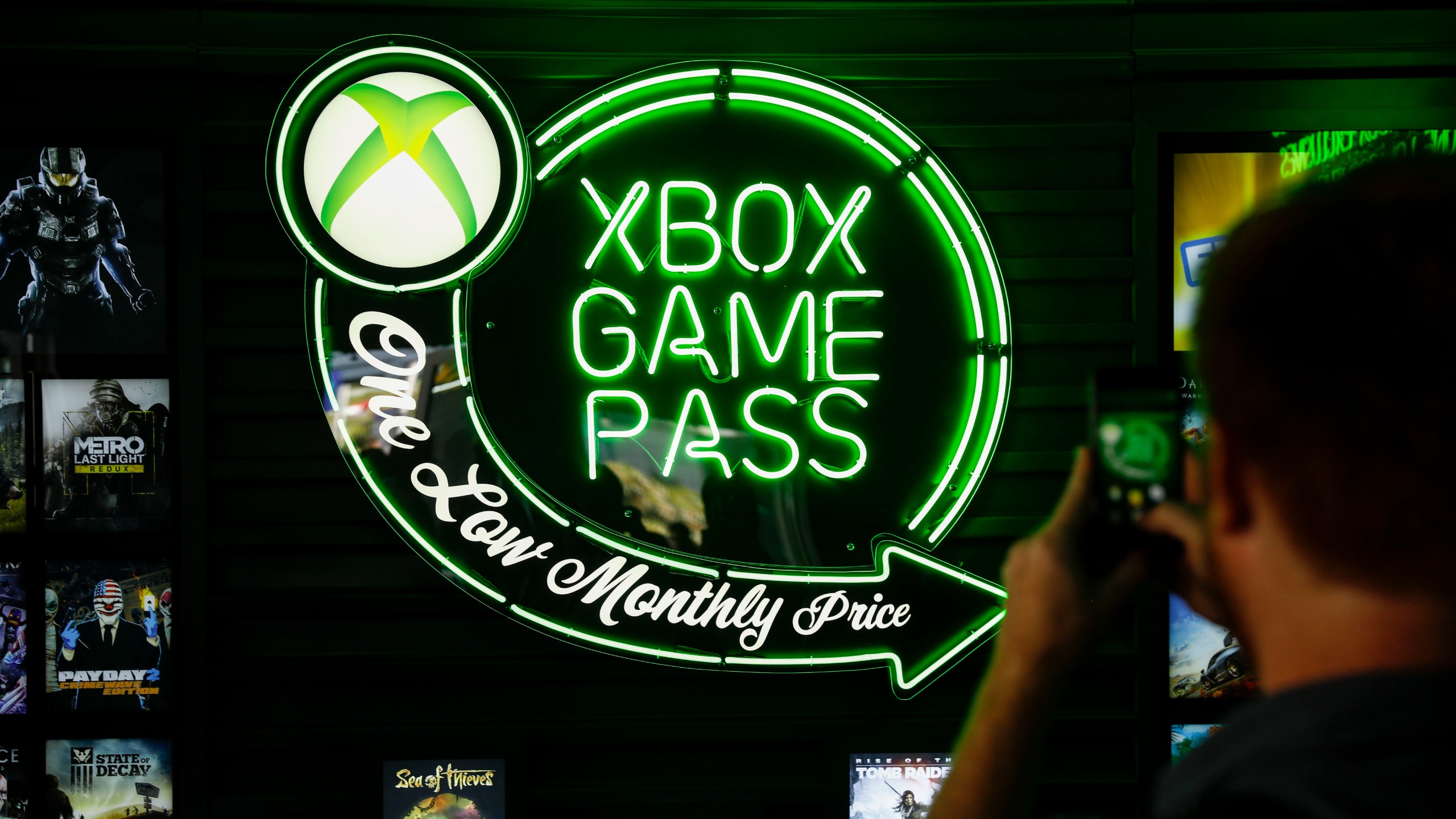
For example, a player might watch an advertisement and receive a credit that allows them to continue playing without another advertisement for a specified period. Once that period expires, another commercial could become eligible to appear during a suitable break.
The exact amount of ad-free time could potentially vary depending on the advertisement, game or rules established by the developer.
This type of model is already familiar to mobile gamers. Many free-to-play mobile games allow players to watch advertisements in exchange for virtual currency, extra lives, boosts or other benefits.
Microsoft’s proposal would apply a similar principle to the broader gameplay experience. Instead of receiving an item or gameplay resource, players could receive something potentially simpler: time without advertisements.
Potential Use in Free-to-Play Games
Advertising has become an important part of the business model for free-to-play games. These titles allow users to begin playing without purchasing the game upfront and can generate revenue through advertisements, in-game purchases and other monetization methods.
The proposed Microsoft system could give developers another option for monetizing players while keeping games accessible.
Instead of requiring every player to purchase a game or subscription, developers could potentially use advertising to generate revenue from players who choose a free access model.
The system could also give players more control over how they encounter advertisements. Rather than simply showing a commercial at predetermined intervals, developers could potentially allow users to decide whether to watch an advertisement in exchange for additional ad-free time.
However, the patent does not establish that advertisements would necessarily be optional in every implementation.
Technology Could Monitor Gameplay
A key part of the proposed system is its ability to recognize the state of a game.
For advertising to work without creating significant disruption, the system would need to know when a player has reached an appropriate point for an interruption. That could involve monitoring information supplied by the game itself.
The technology could potentially recognize events such as the completion of a level, the end of a mission or the transition between different sections of a game.
In some cases, the system could also account for the player’s activity and determine whether an advertisement should be delayed.
Such functionality could be particularly important for games with fast-paced gameplay. Interrupting a player during a difficult battle or competitive event could create frustration and potentially affect the outcome of a match.
By connecting advertisements with the game’s state, the system could attempt to make commercial breaks more predictable and less disruptive.
Questions Around Multiplayer Gaming
The proposed technology could face additional challenges when applied to multiplayer games.
A single-player game can generally be paused without affecting anyone else. Multiplayer games are different because players share the same game environment.
Freezing one player’s game while an advertisement plays could potentially create an unfair situation if other players continue playing. Developers would therefore need to determine how advertising could work without disrupting competitive experiences.
One possibility would be to limit the system to specific parts of a game where pausing does not affect other participants. Another could involve using the technology primarily in single-player or noncompetitive modes.
The patent itself does not mean that Microsoft has solved all of these potential challenges or that the technology will necessarily be implemented across its gaming platforms.

Patent Does Not Mean Immediate Release
Microsoft’s patent describes a potential technology rather than a confirmed product.
Technology companies regularly file patents for ideas that may never become commercial products. A patent can protect an invention or technical concept even if the company ultimately decides not to develop it.
There is currently no indication that Microsoft will introduce this specific advertising system across its gaming ecosystem or that a particular Xbox title will begin using it.
Nevertheless, the patent provides insight into the types of monetization systems that could emerge as the gaming industry changes.
As game development becomes increasingly expensive and publishers search for new revenue sources, advertising could become a larger part of the gaming ecosystem. The challenge will be finding a balance between generating revenue and maintaining a smooth player experience.
Microsoft’s proposed system attempts to address that challenge by connecting advertisements with natural breaks in gameplay and offering players ad-free time as a potential reward.
If the technology is eventually implemented, its success would likely depend on how frequently advertisements appear, how long they last, how much ad-free time players receive and how much control users have over the process.
For now, the patented system remains a proposal rather than a confirmed gaming feature. It nevertheless points toward a possible future in which players could trade their attention for uninterrupted gameplay, turning advertising breaks into a form of in-game currency.
The post Microsoft Patents System to Freeze Games and Inject Ads During Downtimes appeared first on TechStory.
]]>The post Which Drivers Are Better Suited to Pay-As-You-Drive Car Insurance? appeared first on TechStory.
]]>It can therefore be more relevant for occasional drivers than for people who travel long distances. Suitability still depends on the insurer’s kilometre conditions, policy terms and usual travel pattern.
1. Drivers Who Spend Long Periods Away from Home
People who travel frequently for work, study or personal reasons may leave their car unused for periods. Their vehicle usage can remain limited even though they still need insurance when they return.
Before choosing to buy car insurance online, these drivers can check whether a Pay As You Drive option is available, how kilometres are recorded and what conditions apply to the own damage benefit. The policy should be reviewed before making a choice.
2. Drivers Who Use Their Cars Only Occasionally
People who take out their car only for errands, social visits or personal work may be suitable for pay as you drive cover. Their vehicle stays parked for much of the week, so distance travelled can remain limited.
The important point is not how many days the car remains unused. Drivers should check whether their annual usage is likely to stay within the kilometre conditions set by the insurer.
3. People Who Work from Home or Follow Hybrid Work
Remote and hybrid workers may no longer need to drive to an office every day. Their car may be used mainly for shopping, appointments, weekend outings or occasional office visits.
If this results in consistently low annual usage, pay as you drive may be worth assessing. Consider a normal travel pattern over several months rather than a short period when the car happened to be used less.
4. Drivers Who Depend Mainly on Public Transport
Some car owners use metro services, buses, trains or other public transport for their regular commute. Their car may be reserved for family travel, personal errands or journeys where private transport is more convenient.
These drivers may be well suited when the car covers relatively little distance during the year. Weekend trips, holidays and other journeys should also be included when estimating usage.
5. Families with More than One Car
Cars in the same household are not always used equally. One vehicle may handle daily work and family travel, while another is driven only when separate transport is needed.
The less-used vehicle may be a stronger candidate for pay-as-you-drive. Families should assess the mileage of each car separately instead of assuming the same insurance arrangement suits every vehicle they own.
6. Retired Drivers with Limited Regular Travel
Some retired owners use their vehicles mainly for appointments, shopping, family visits and planned outings rather than daily commuting. Where these journeys lead to relatively low annual mileage, pay as you drive can be considered.
Frequency alone should not guide the decision. Someone driving only a few days each week may still cover long distances. Expected kilometres are therefore more useful than simply counting driving days.
7. Owners of a Secondary or Weekend Car
A second car used mainly for weekend drives or occasional family travel can also suit this model. Such a vehicle may remain insured throughout the year while covering much less distance than the household’s primary car.
Drivers should remember that usage-based own damage benefits are separate from third party insurance, which is legally required for vehicles driven on public roads in India. Understanding both parts helps prevent confusion when selecting cover.
8. Drivers with Predictable Low Annual Usage
Pay as you drive is easier to assess when someone has a stable idea of how much the car is normally used. Drivers with consistent travel habits may find it easier to judge whether they are likely to remain within the insurer’s kilometre conditions.
A new commute, relocation or increased family travel can change annual mileage. Expected future usage should therefore be considered along with past driving.
Final Thoughts
Pay as you drive car insurance is generally better suited to occasional drivers, remote workers, public transport commuters, retired motorists, multiple car households and owners of secondary vehicles. The common factor is limited and predictable usage.
Before choosing it, estimate your annual driving realistically and read the insurer’s kilometre requirements and policy conditions. The cover should match how you use the vehicle rather than how little you hope to drive.
The post Which Drivers Are Better Suited to Pay-As-You-Drive Car Insurance? appeared first on TechStory.
]]>